
The Advantages of Automated Oral Pouch Manufacturing
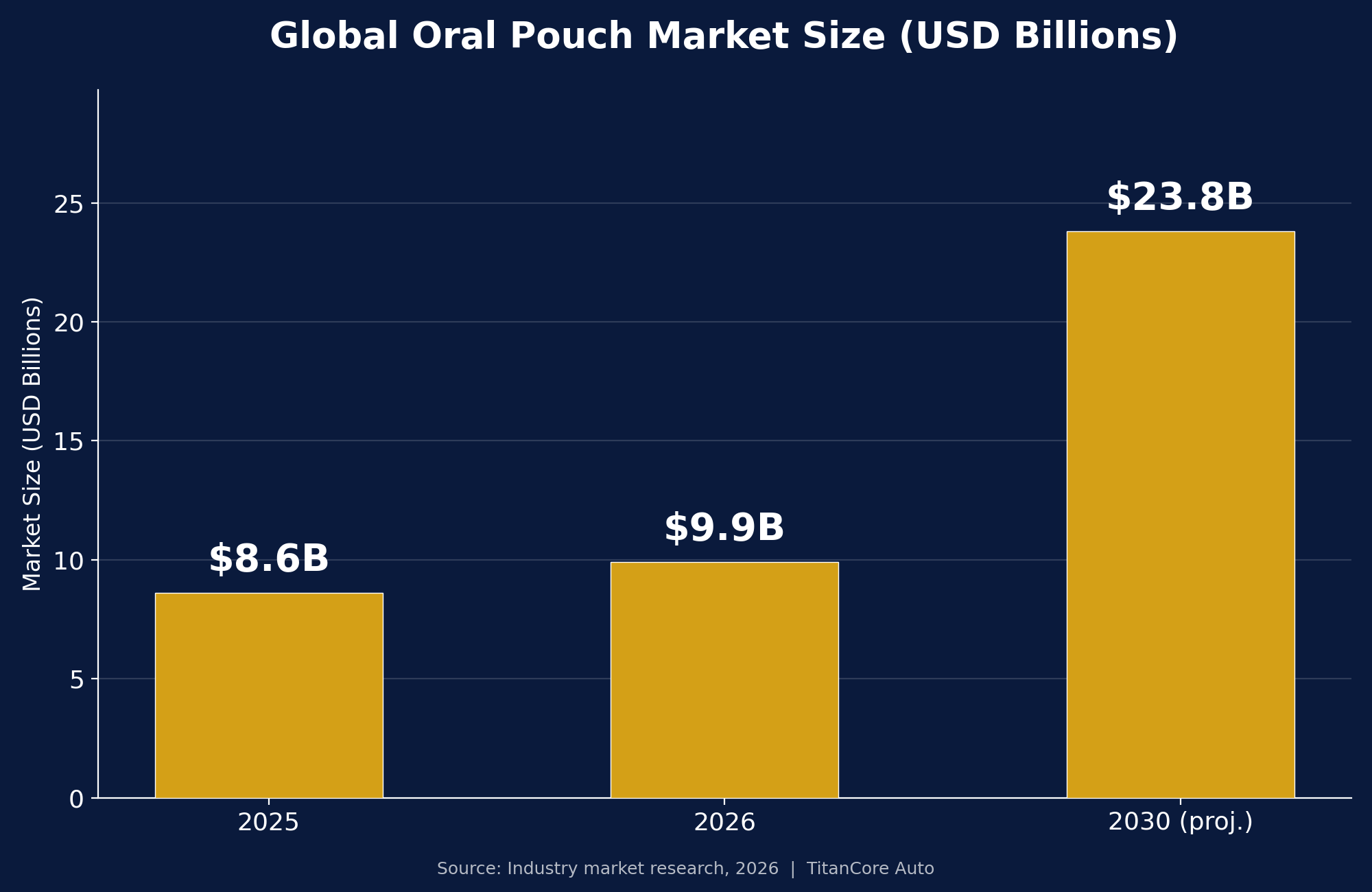
As demand for oral pouches continues to climb, manufacturers are under growing pressure to produce more — without compromising on consistency, speed, or product quality. That shift is driving a clear move toward automated production lines across the industry.
Speed and scale
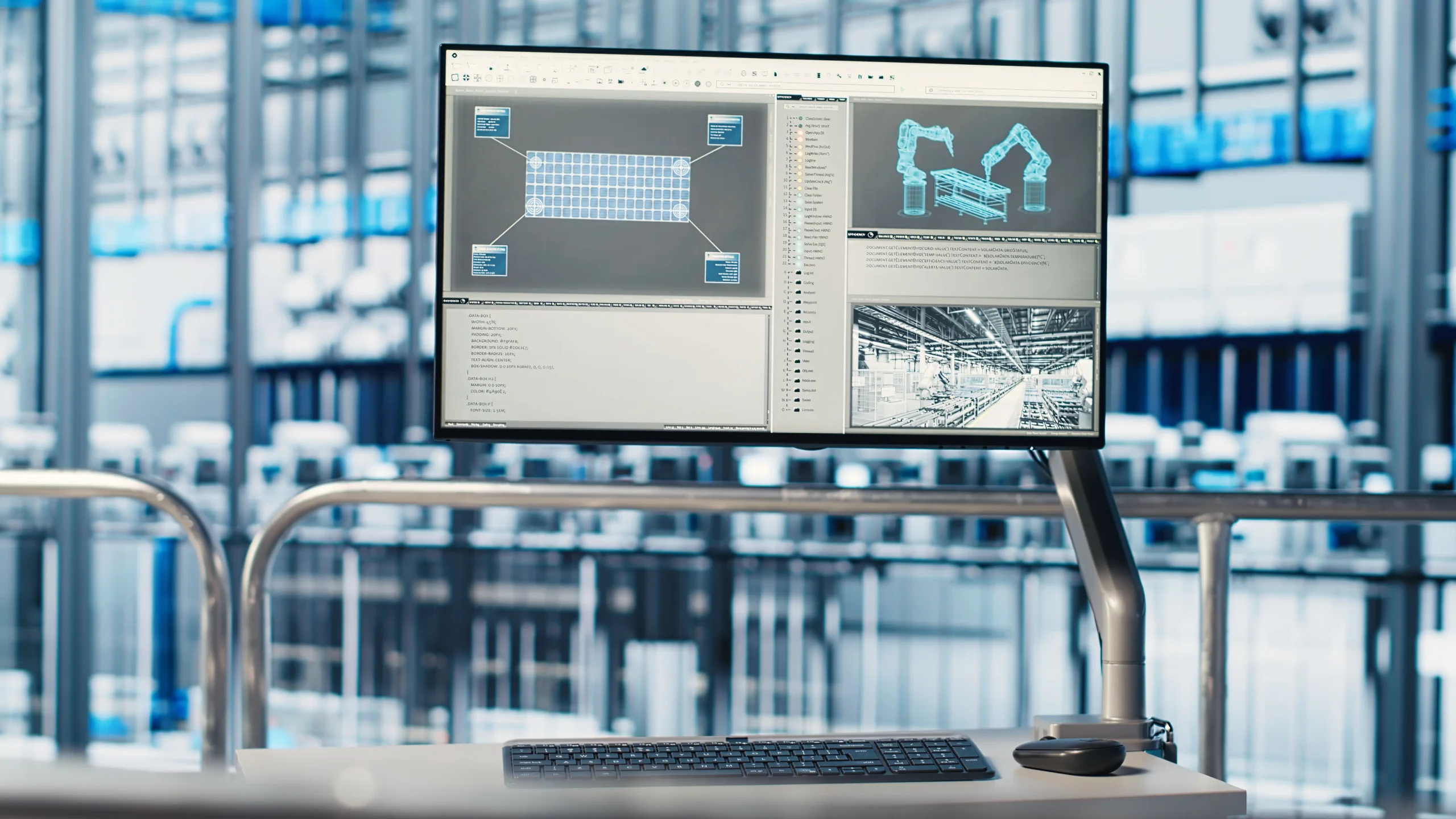
Automation removes the ceiling that manual or semi-manual lines run into. A single automated unit like the TCAMO-600 can produce up to 600 pouches per minute, and when configured as a full 4-unit line, output scales to 2,400 pouches per minute — a level of throughput that simply isn’t achievable with manual processes.
Consistency you can’t get by hand
Every pouch needs to match the last one — in weight, fill, and seal quality. Manual production introduces natural variation between batches and shifts. Automated systems remove that variability, which matters both for product quality and for regulatory compliance, where consistency is increasingly scrutinized.
Less downtime, fewer bottlenecks
Features like automatic roll changeover mean production doesn’t have to stop and restart every time a material roll runs out — a common bottleneck point on manual lines. Keeping the line running longer, with less manual intervention, translates directly into higher effective output.
Gentler handling, better product integrity
Automation isn’t just about speed — it’s also about protecting the product itself. Gentle product handling systems reduce mechanical stress on pouches during production, helping preserve fill consistency and pouch integrity through to packaging.
Lower long-term operating costs
While automated equipment requires upfront investment, it reduces long-term labor dependency, minimizes waste from inconsistent output, and reduces the risk of costly production errors — all of which improve margins over time.
The bottom line
As the oral pouch market continues its rapid growth, manufacturers who invest in automated production now are positioning themselves to scale efficiently rather than scrambling to catch up later. It’s a shift from producing pouches to engineering a repeatable, scalable process.